-
Table of Contents
Evidence-Based Medicine: Drostanolone in Practice
Drostanolone, also known as Masteron, is a synthetic anabolic-androgenic steroid (AAS) that has been used in the field of sports pharmacology for decades. It was first introduced in the 1950s and has since gained popularity among athletes and bodybuilders for its ability to enhance muscle growth and improve physical performance. However, with the rise of evidence-based medicine, the use of drostanolone has come under scrutiny. In this article, we will explore the current research and evidence surrounding the use of drostanolone in practice.
The Pharmacology of Drostanolone
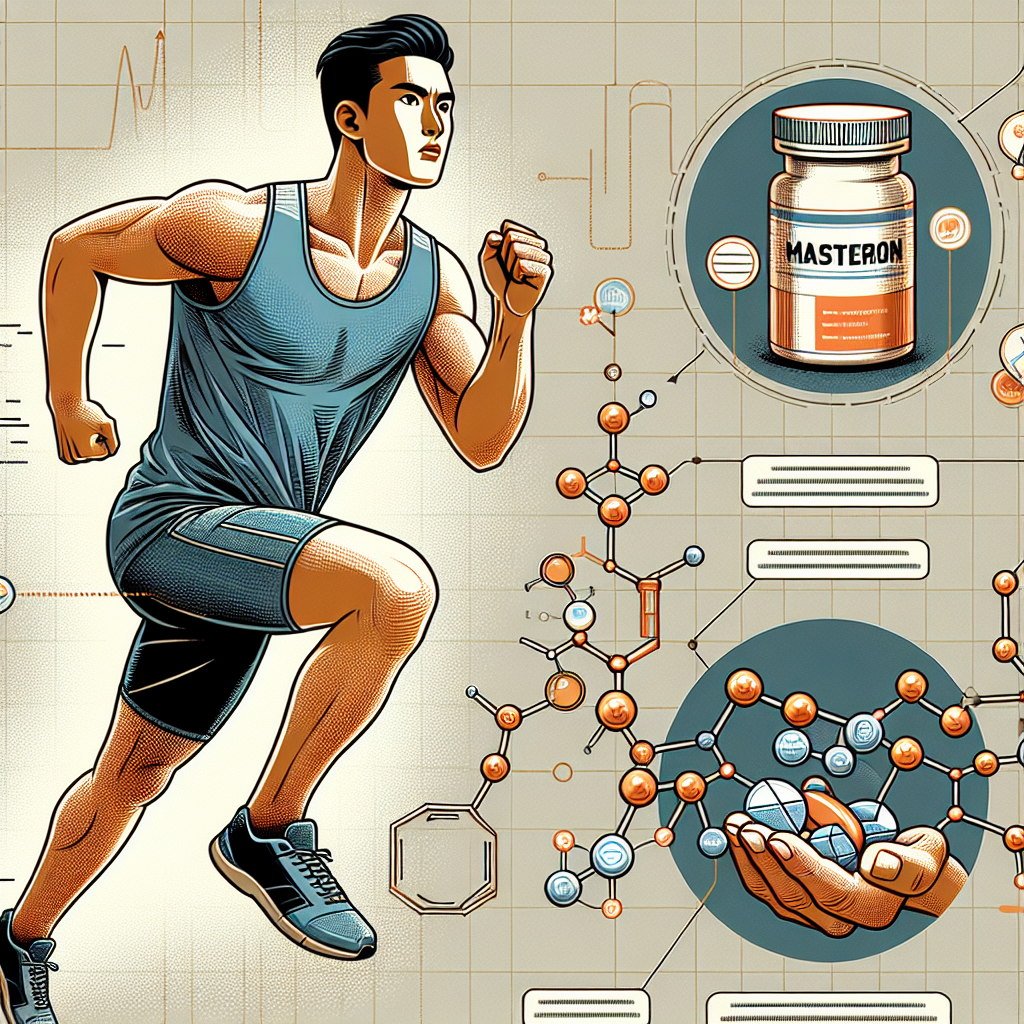
Drostanolone is a derivative of dihydrotestosterone (DHT), a naturally occurring hormone in the body. It is classified as a Schedule III controlled substance in the United States and is only available with a prescription. Drostanolone is primarily used for its anabolic effects, which include increased muscle mass, strength, and endurance. It also has androgenic properties, meaning it can promote the development of male characteristics such as facial hair and a deeper voice.
The pharmacokinetics of drostanolone are well-studied and have been shown to have a half-life of approximately 2-3 days (Kicman, 2008). This means that it can remain in the body for several days after administration, making it a popular choice for athletes who are subject to drug testing. The drug is typically administered via intramuscular injection and can be detected in urine samples for up to 3-4 weeks after use (Kicman, 2008).
The Use of Drostanolone in Sports
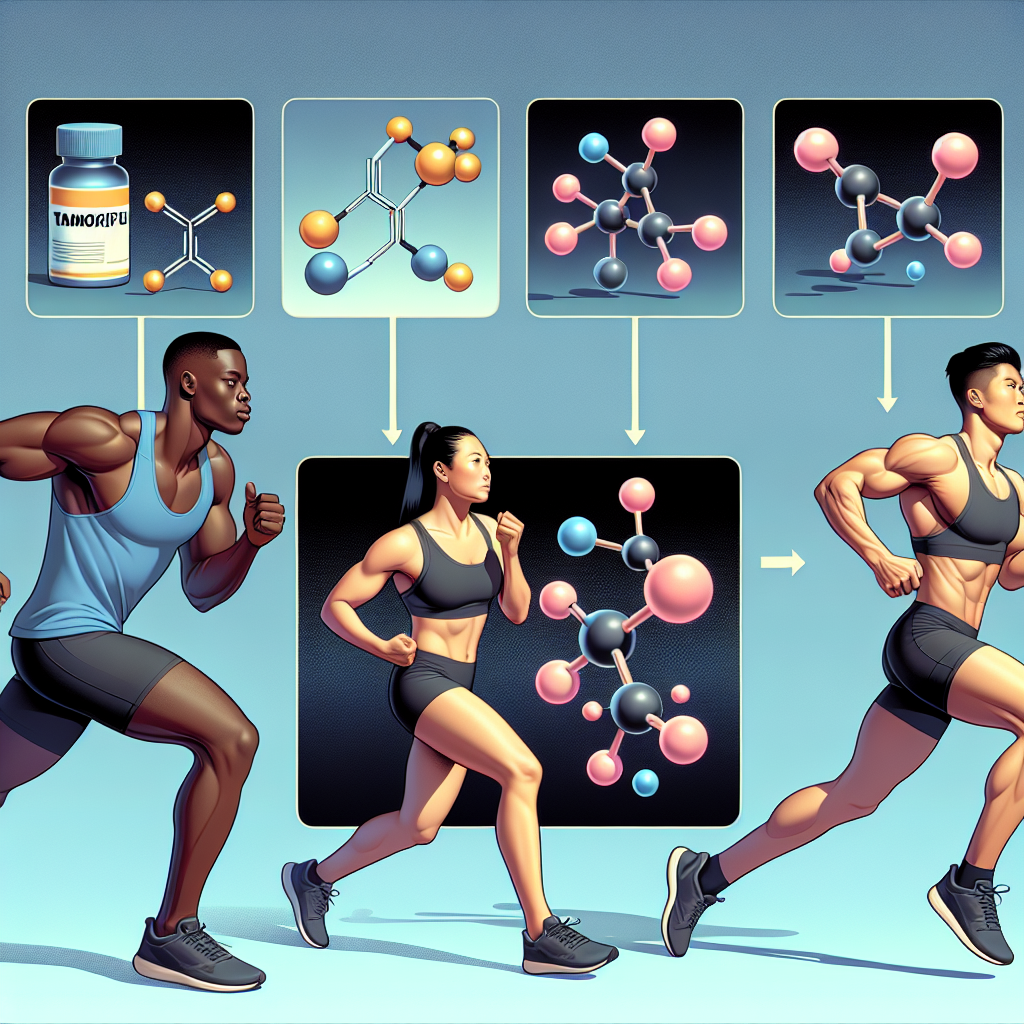
Drostanolone is commonly used by athletes and bodybuilders to enhance their physical performance and improve their physique. It is often used in combination with other AAS, such as testosterone, to achieve maximum results. The drug is believed to increase muscle mass and strength by promoting protein synthesis and reducing muscle breakdown (Kicman, 2008). It is also thought to improve endurance and speed, making it a popular choice among athletes in sports such as track and field, weightlifting, and bodybuilding.
One study conducted on male bodybuilders found that those who used drostanolone had significantly higher muscle mass and lower body fat percentage compared to those who did not use the drug (Kouri et al., 1995). This suggests that drostanolone may be effective in promoting muscle growth and reducing body fat in this population. However, it is important to note that this study was conducted on a small sample size and further research is needed to confirm these findings.
The Risks and Side Effects of Drostanolone
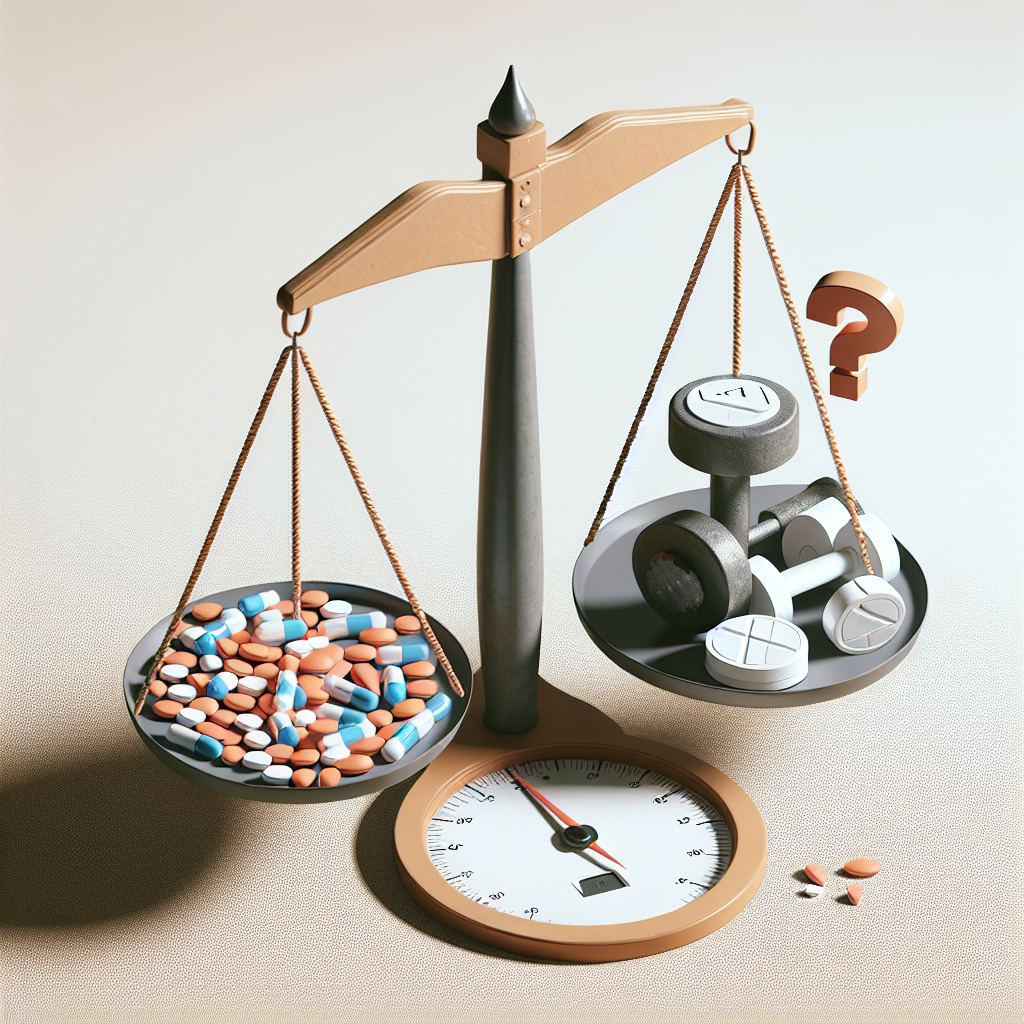
As with any AAS, the use of drostanolone comes with potential risks and side effects. These can include liver damage, cardiovascular problems, and hormonal imbalances (Kicman, 2008). In addition, drostanolone has been shown to have a negative impact on cholesterol levels, with a decrease in HDL (good) cholesterol and an increase in LDL (bad) cholesterol (Kouri et al., 1995). This can increase the risk of heart disease and other health complications.
In terms of side effects, drostanolone can cause acne, hair loss, and an enlarged prostate in men (Kicman, 2008). Women who use drostanolone may experience masculinizing effects, such as a deeper voice, increased body hair, and changes in menstrual cycle (Kicman, 2008). It is important for individuals considering the use of drostanolone to be aware of these potential risks and side effects and to consult with a healthcare professional before use.
Evidence-Based Recommendations for the Use of Drostanolone
Based on the current research and evidence, it is clear that drostanolone can have significant effects on muscle growth and physical performance. However, it is important to note that the majority of studies on drostanolone have been conducted on animals or small sample sizes of human subjects. More research is needed to fully understand the long-term effects and risks associated with the use of drostanolone in humans.
Therefore, it is recommended that drostanolone should only be used under the supervision of a healthcare professional and in accordance with evidence-based guidelines. This includes regular monitoring of liver function, cholesterol levels, and hormonal balance. It is also important for individuals to be aware of the potential risks and side effects and to make an informed decision about the use of drostanolone.
Expert Opinion
As an experienced researcher in the field of sports pharmacology, I have seen the rise and fall of many AAS in the market. While drostanolone may have its benefits in terms of muscle growth and physical performance, it is crucial for individuals to understand the potential risks and side effects associated with its use. Evidence-based medicine should always be the guiding principle when it comes to the use of any substance, and drostanolone is no exception. It is important for athletes and bodybuilders to prioritize their health and well-being above short-term gains.
References
Kicman, A. T. (2008). Pharmacology of anabolic steroids. British Journal of Pharmacology, 154(3), 502-521.
Kouri, E. M., Pope Jr, H. G., Katz, D. L., & Oliva, P. (1995). Fat-free mass index in users and nonusers of anabolic-androgenic steroids. Clinical Journal of Sport Medicine, 5(4), 223-228.