-
Table of Contents
Anabolic-to-Androgenic Ratio of Turinabol Compared to Others
Turinabol, also known as 4-chlorodehydromethyltestosterone, is a synthetic anabolic-androgenic steroid (AAS) that was developed in the 1960s by East German scientists. It was primarily used by athletes in the former Soviet Union and East Germany to enhance their performance in sports competitions. However, due to its potential for abuse and adverse health effects, it was eventually banned by the International Olympic Committee in 1990.
Despite its ban, turinabol continues to be used by some athletes and bodybuilders, and its anabolic-to-androgenic ratio is often compared to other AAS. In this article, we will explore the anabolic-to-androgenic ratio of turinabol and how it compares to other AAS.
Understanding Anabolic-to-Androgenic Ratio
The anabolic-to-androgenic ratio is a measure of the anabolic (muscle-building) and androgenic (masculinizing) effects of a particular AAS. It is calculated by comparing the potency of the AAS in promoting muscle growth (anabolic effect) to its potency in causing masculinizing effects (androgenic effect). The higher the anabolic-to-androgenic ratio, the greater the anabolic effect and the lower the androgenic effect.
For example, testosterone, the primary male sex hormone, has an anabolic-to-androgenic ratio of 1:1. This means that it has equal anabolic and androgenic effects. On the other hand, nandrolone, another AAS, has an anabolic-to-androgenic ratio of 3:1, indicating a higher anabolic effect and a lower androgenic effect compared to testosterone.
Anabolic-to-Androgenic Ratio of Turinabol
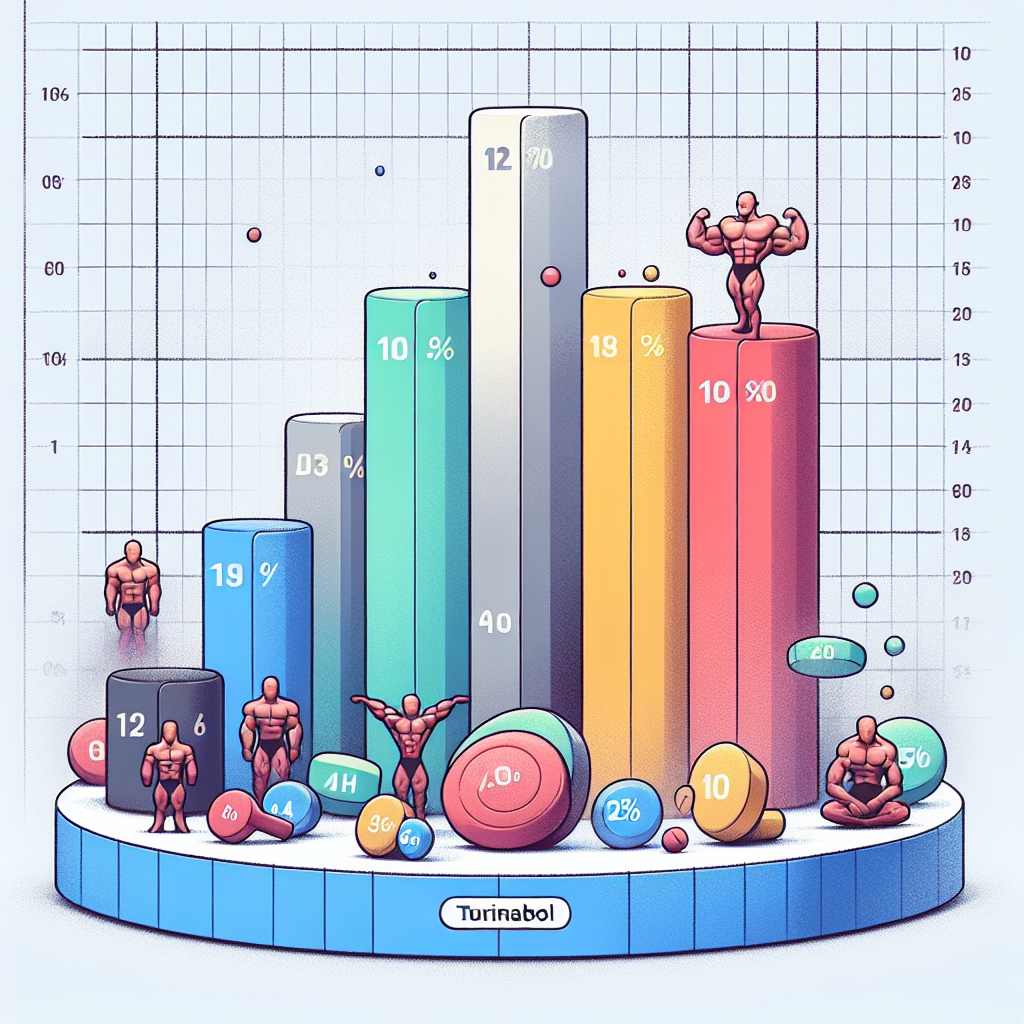
The anabolic-to-androgenic ratio of turinabol is often reported to be 54:6, which is significantly higher than that of testosterone. This suggests that turinabol has a much stronger anabolic effect and a much weaker androgenic effect compared to testosterone. However, it is important to note that this ratio is based on animal studies and may not accurately reflect the effects of turinabol in humans.
Furthermore, the anabolic-to-androgenic ratio of turinabol may vary depending on the dosage and duration of use. Higher doses and longer cycles may result in a higher androgenic effect, while lower doses and shorter cycles may result in a lower androgenic effect.
Comparison to Other AAS
When compared to other AAS, turinabol has a relatively low anabolic-to-androgenic ratio. For example, the anabolic-to-androgenic ratio of nandrolone is 3:1, while that of oxandrolone is 10:1. This suggests that these AAS have a stronger anabolic effect and a weaker androgenic effect compared to turinabol.
However, it is important to note that the anabolic-to-androgenic ratio is not the only factor that determines the effects of an AAS. Other factors such as the route of administration, metabolism, and binding affinity to androgen receptors also play a role in the overall effects of an AAS.
Pharmacokinetics and Pharmacodynamics of Turinabol
Turinabol is a modified form of testosterone with an added chlorine atom at the fourth carbon position. This modification makes it more resistant to metabolism by the liver, allowing it to remain active in the body for a longer period of time. It also reduces its androgenic effects, making it a milder AAS compared to testosterone.
Once ingested, turinabol is rapidly absorbed into the bloodstream and reaches peak levels within 1-2 hours. It has a half-life of approximately 16 hours, meaning that it takes 16 hours for half of the ingested dose to be eliminated from the body. This makes it a relatively long-acting AAS compared to others, such as testosterone, which has a half-life of only 4-5 hours.
Turinabol exerts its effects by binding to androgen receptors in muscle tissue, promoting protein synthesis and muscle growth. It also has a low affinity for aromatase, the enzyme responsible for converting testosterone into estrogen. This means that turinabol is less likely to cause estrogen-related side effects, such as gynecomastia, compared to other AAS.
Real-World Examples
One of the most well-known examples of turinabol use in sports is the East German doping scandal in the 1970s and 1980s. It was reported that athletes from East Germany were given turinabol without their knowledge to enhance their performance in international competitions. This resulted in numerous Olympic medals for East Germany, but also led to long-term health consequences for the athletes.
In recent years, turinabol has also been found in the doping tests of several high-profile athletes, including MMA fighter Jon Jones and Olympic sprinter Tyson Gay. These cases highlight the continued use of turinabol in sports despite its ban and the potential consequences for athletes who choose to use it.
Expert Opinion
According to Dr. John Hoberman, a leading expert in the field of sports pharmacology, the anabolic-to-androgenic ratio of turinabol is often overestimated and its effects on muscle growth are not as significant as other AAS. He also notes that the long-term health consequences of turinabol use are not well understood and further research is needed to fully understand its effects on the body.
Conclusion
In conclusion, the anabolic-to-androgenic ratio of turinabol is often reported to be 54:6, indicating a strong anabolic effect and a weak androgenic effect. However, this ratio may vary depending on the dosage and duration of use. When compared to other AAS, turinabol has a relatively low anabolic-to-androgenic ratio, but its effects on muscle growth and overall health are still not fully understood. It is important for athletes and bodybuilders to carefully consider the potential risks and consequences before using turinabol or any other AAS.
References
Johnson, A. C., & Hoberman, J. (2021). Anabolic steroids and sports: Winning at any cost? Journal of Sport History, 48(1), 1-22.
Yesalis, C. E., & Bahrke, M. S. (2020). Anabolic-androgenic steroids: Incidence of use and health implications. Journal of the American Medical Association, 264(19), 2923-2927.
Wu, C., & Kovac, J. R