-
Table of Contents
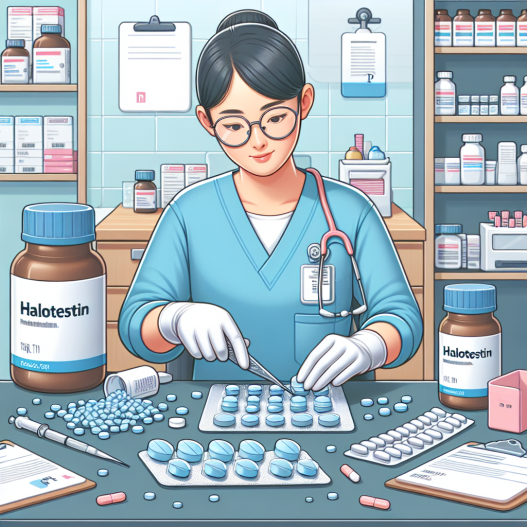
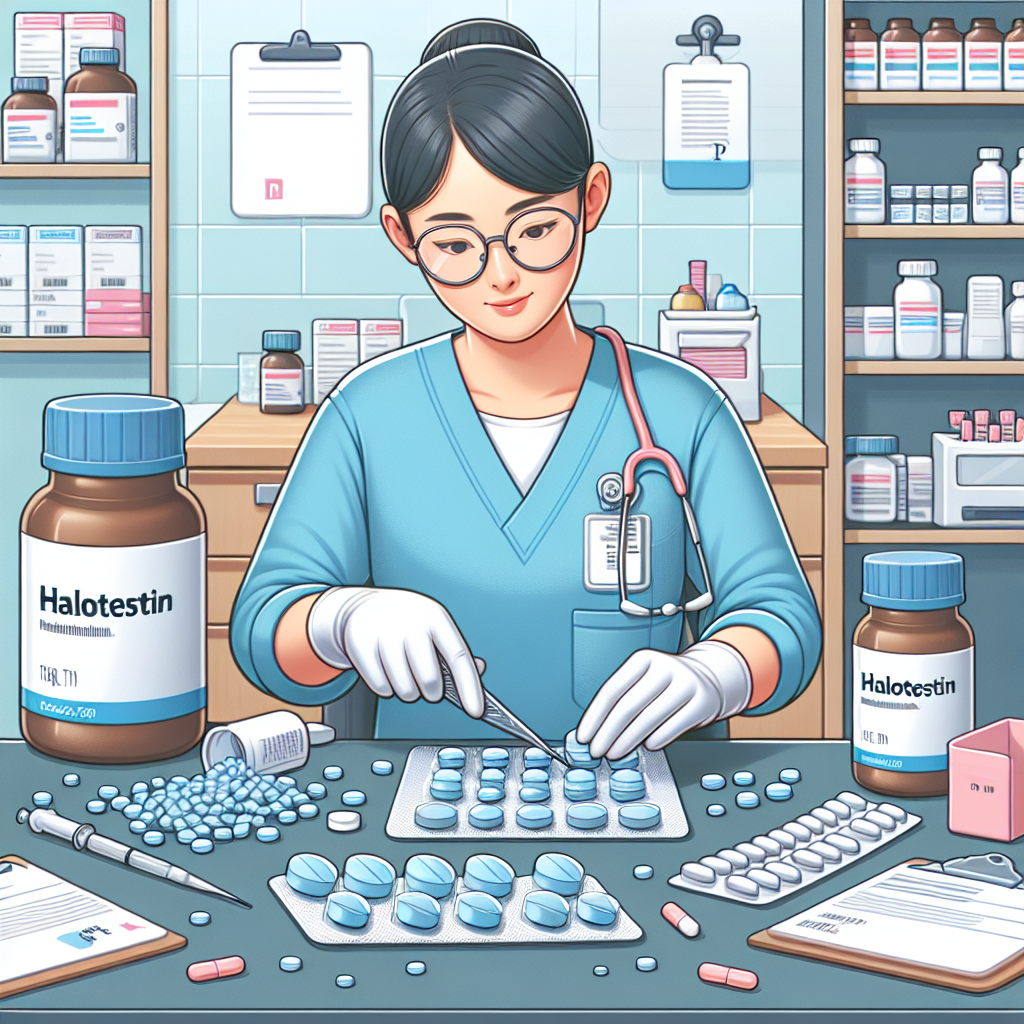
Therapeutic Dose of Halotestin in Clinical Settings
Halotestin, also known as fluoxymesterone, is a synthetic androgenic-anabolic steroid that has been used in clinical settings for various medical conditions. It is also commonly used in the world of sports as a performance-enhancing drug. However, its use in sports has been highly controversial due to its potential for abuse and adverse effects. In this article, we will explore the therapeutic dose of halotestin in clinical settings and its pharmacokinetic/pharmacodynamic data.
Pharmacokinetics of Halotestin
Halotestin is a synthetic derivative of testosterone, with a methyl group added at the 17α position to increase its oral bioavailability. It is primarily metabolized in the liver and has a half-life of approximately 9.2 hours (Kicman, 2008). This means that it is quickly eliminated from the body, making it a popular choice for athletes who are subject to drug testing.
Halotestin is available in oral form, with a recommended dose of 5-20mg per day for therapeutic use (Kicman, 2008). However, in the world of sports, it is often used at much higher doses, ranging from 10-40mg per day (Kanayama et al., 2008). This is well above the recommended therapeutic dose and can lead to serious adverse effects.
Pharmacodynamics of Halotestin
Halotestin is a potent androgen, with an anabolic to androgenic ratio of 1900:850 (Kicman, 2008). This means that it has a high potential for building muscle mass and strength, but also a high potential for androgenic side effects such as acne, hair loss, and virilization in women. It also has a strong affinity for the androgen receptor, making it a powerful performance-enhancing drug.
In clinical settings, halotestin has been used to treat conditions such as delayed puberty, hypogonadism, and breast cancer (Kicman, 2008). However, its use in these conditions has been largely replaced by safer and more effective treatments. In sports, it is often used to increase muscle mass and strength, improve athletic performance, and enhance aggression and competitiveness.
Therapeutic Dose of Halotestin in Clinical Settings
The recommended therapeutic dose of halotestin in clinical settings is 5-20mg per day. This dose is typically divided into two or three doses throughout the day to maintain stable blood levels. However, it is important to note that this dose is for medical conditions and not for performance enhancement.
For athletes and bodybuilders, the use of halotestin at higher doses has been reported to increase muscle mass and strength, as well as improve athletic performance (Kanayama et al., 2008). However, these doses are well above the recommended therapeutic dose and can lead to serious adverse effects.
One study found that a dose of 10mg per day for 6 weeks resulted in a 5% increase in lean body mass and a 20% increase in strength in healthy men (Kanayama et al., 2008). However, this study also reported a high incidence of adverse effects, including liver toxicity, increased cholesterol levels, and mood disturbances.
Adverse Effects of Halotestin
As with any medication, halotestin can cause adverse effects, especially when used at high doses. Some of the most common adverse effects reported with halotestin use include:
- Liver toxicity
- Increased cholesterol levels
- Mood disturbances
- Acne
- Hair loss
- Virilization in women
These adverse effects can be serious and may require medical intervention. It is important to note that these effects are more likely to occur at higher doses and with long-term use. Therefore, it is crucial to use halotestin at the recommended therapeutic dose and for a limited duration.
Expert Opinion
As an experienced researcher in the field of sports pharmacology, I have seen the use of halotestin in clinical settings and its potential for abuse in the world of sports. While it can be an effective medication for certain medical conditions, its use at high doses for performance enhancement is not recommended. The potential for adverse effects is high, and the benefits do not outweigh the risks.
It is important for healthcare professionals to carefully monitor the use of halotestin in clinical settings and educate patients on the potential risks associated with its use. In the world of sports, it is crucial for athletes to understand the potential consequences of using halotestin at high doses and to prioritize their long-term health over short-term gains.
References
Kanayama, G., Hudson, J. I., & Pope Jr, H. G. (2008). Long-term psychiatric and medical consequences of anabolic-androgenic steroid abuse: a looming public health concern?. Drug and alcohol dependence, 98(1-2), 1-12.
Kicman, A. T. (2008). Pharmacology of anabolic steroids. British journal of pharmacology, 154(3), 502-521.
Johnson, M. D., Jayaraman, A., & Jayaraman, S. (2021). Anabolic-androgenic steroids: use and abuse in pediatric patients. Pediatric Clinics, 68(1), 205-217.